台灣麻將 - 16張
A digital adaptation of the classic 16-tile Taiwanese Mahjong game, playable directly in a web browser. This version faithfully recreates the rules and scoring system specific to the Taiwanese variant, offering a traditional tile-matching experience.
遊び方
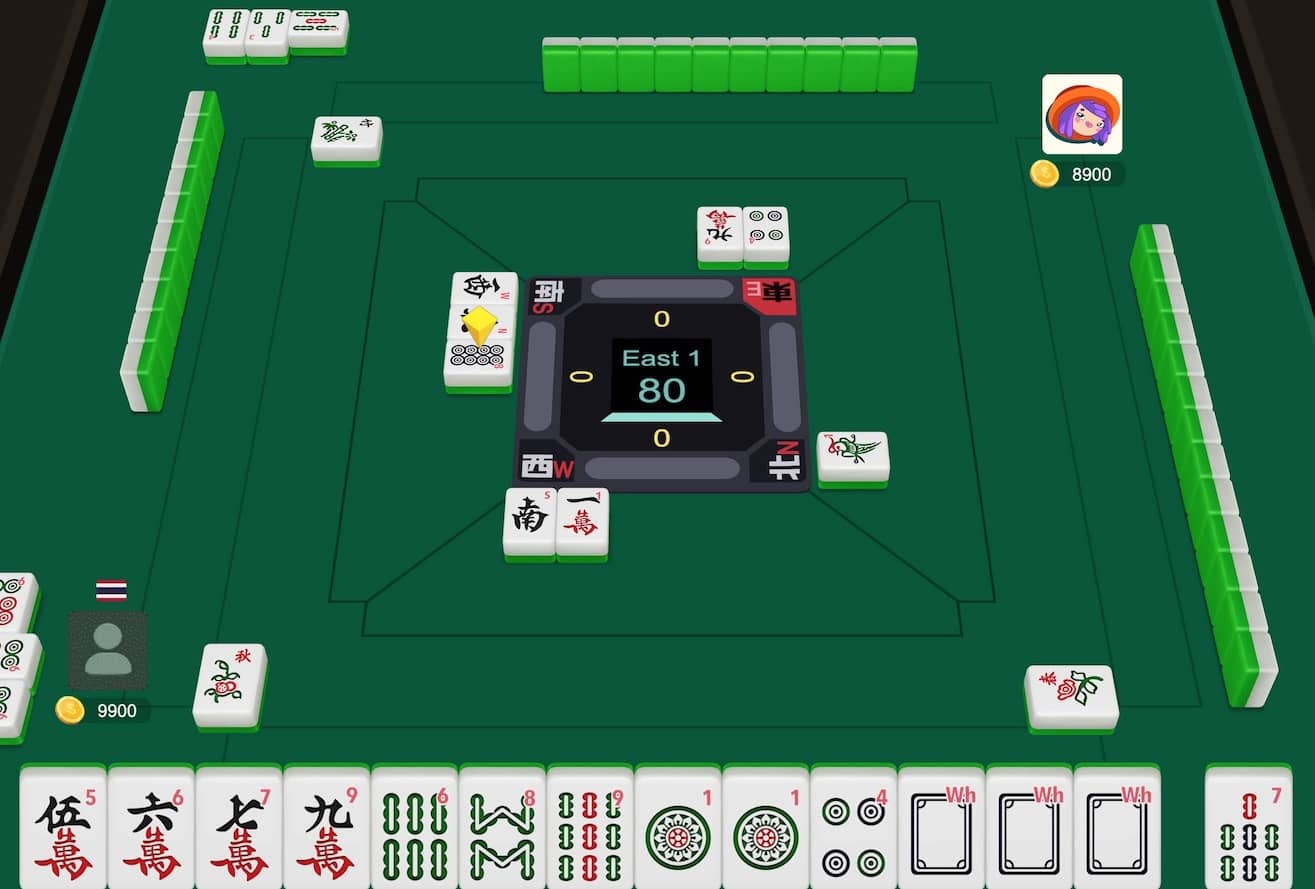
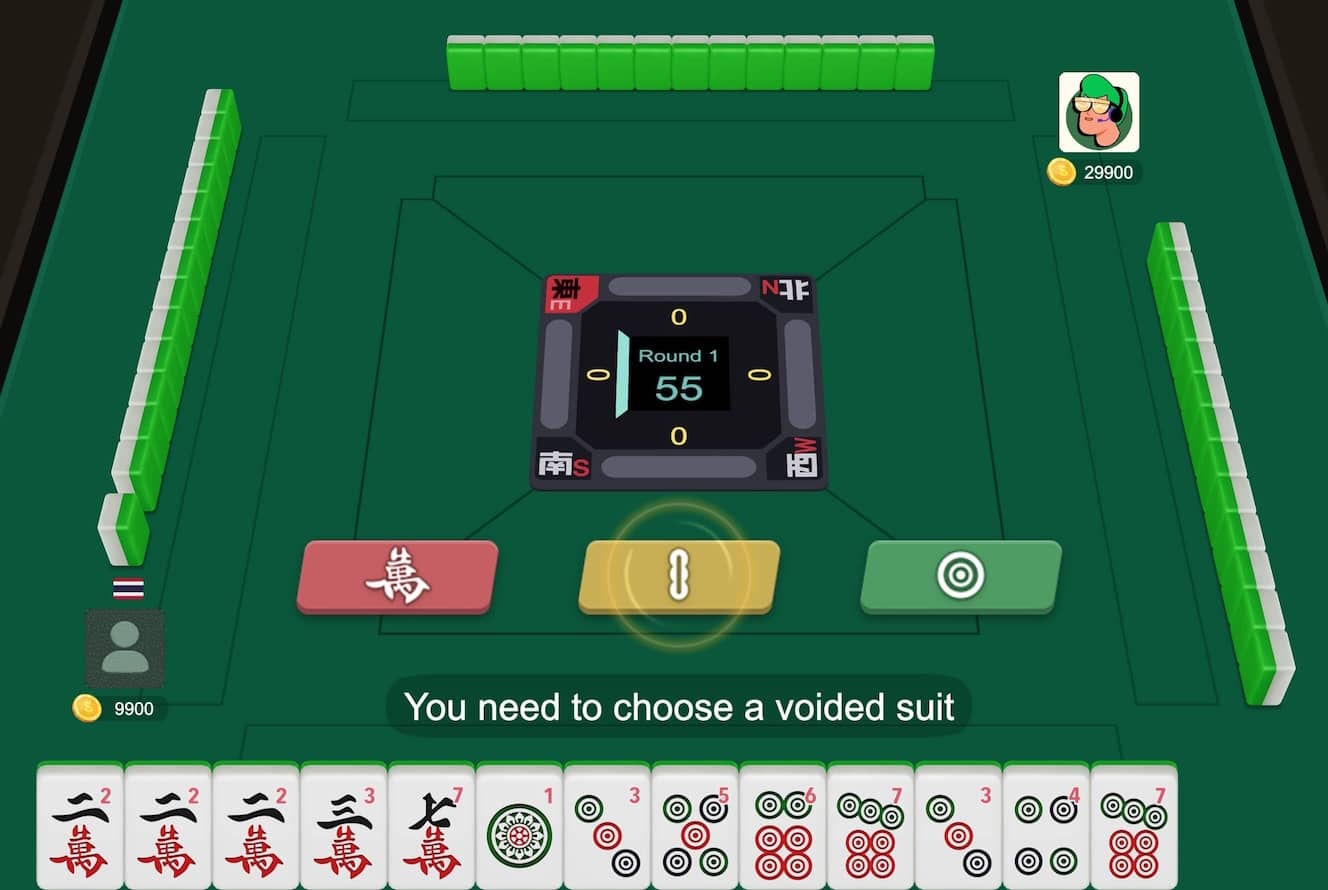
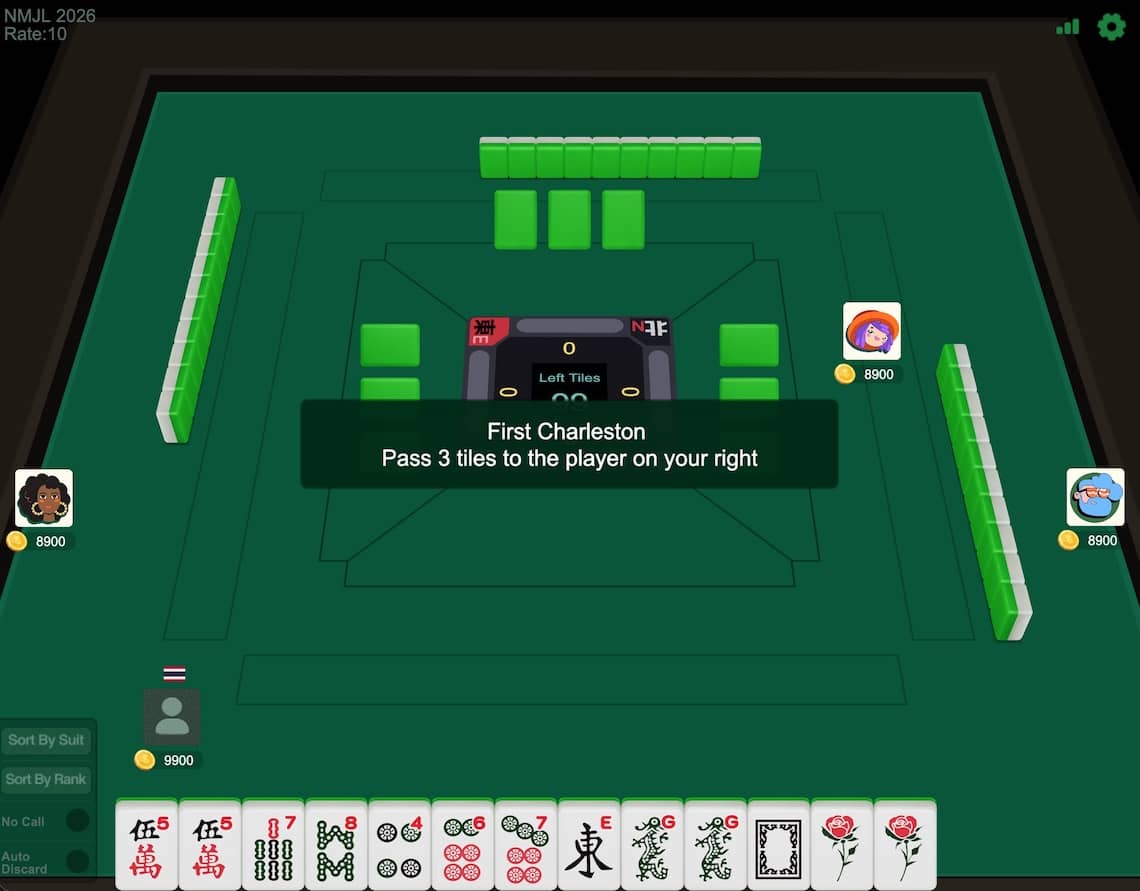
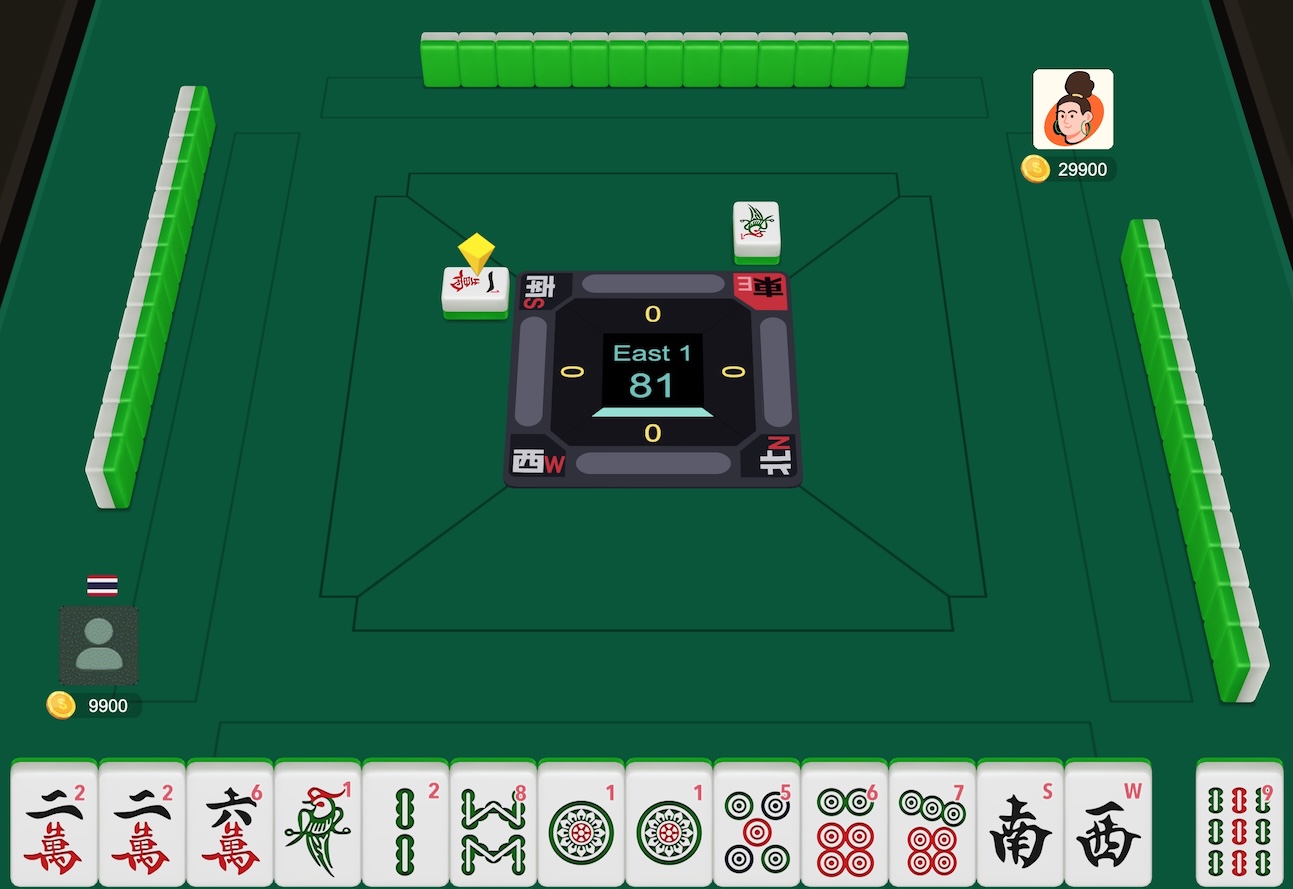
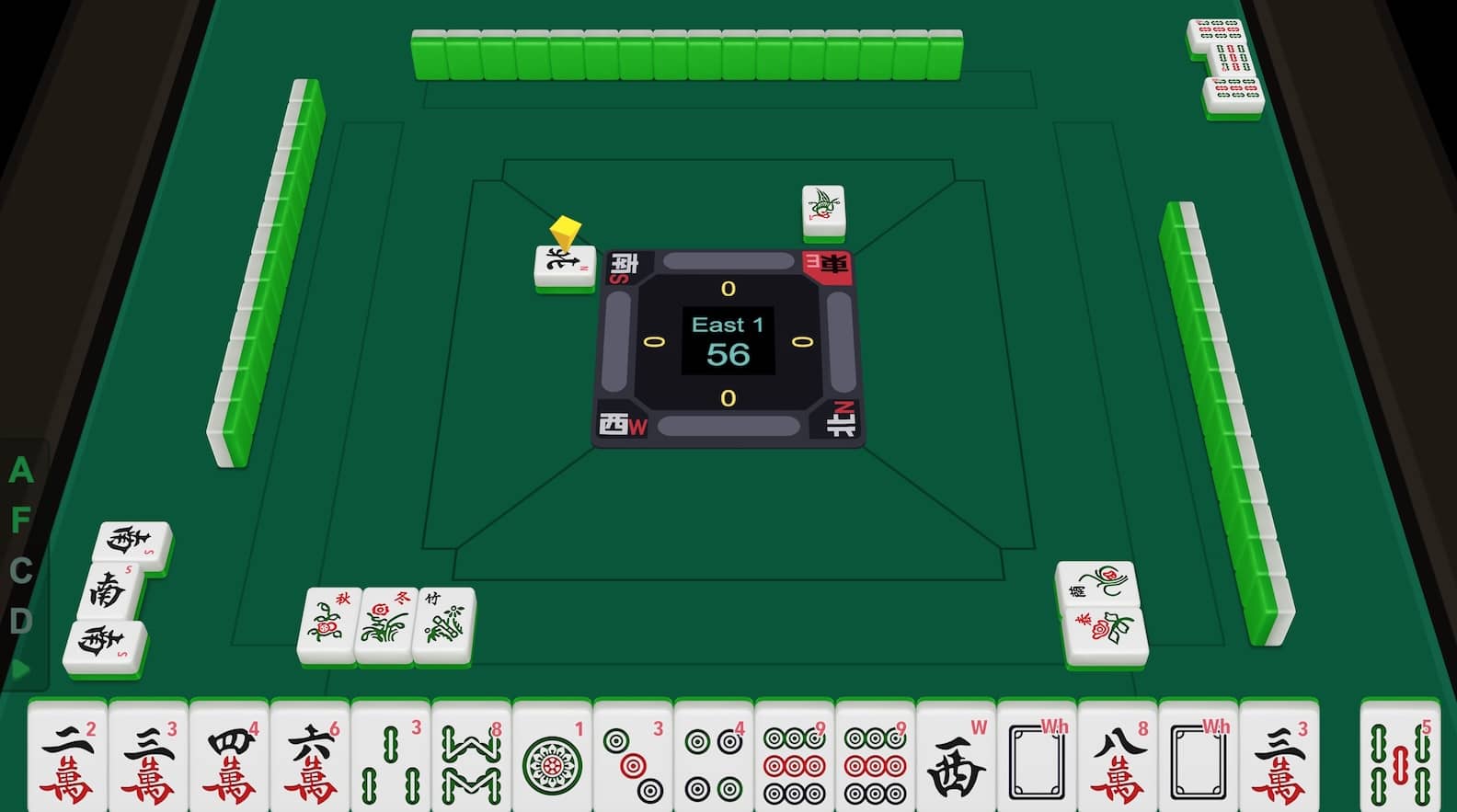
Mahjong originated in late Qing Dynasty China and spread across regions in the early 20th century, earning recognition as one of the nation’s cultural treasures. The development of Taiwan Mahjong is closely tied to the playing styles of Fujian and Guangdong provinces—the 16-tile variant, for instance, is also common in Fuzhou and Fujian Mahjong. The game likely arrived in Taiwan during the Japanese colonial period or even earlier: while the Japanese adapted mahjong into their own rules (Japanese mahjong), Taiwan communities preserved Chinese mahjong traditions. After World War II, the Nationalist Government’s relocation to Taiwan brought an influx of residents from mainland China, introducing diverse regional mahjong styles. Over time, these merged into a distinctive 16-tile Taiwan Mahjong. Early regional variations (such as the use of bonus flower tiles) gradually standardized through long-term grassroots interactions, culminating in the unified rules widely practiced today. 🚠 How to Play Taiwan Mahjong Taiwan Mahjong Tiles Suits: Bamboo, Dots, and Characters: 36 tiles each (numbers 1–9, 4 copies per number). Wind Tiles: East, South, West, North (4 copies each, 16 total). Dragon Tiles: Red Dragon, Green Dragon, and White Dragon (4 copies each, 12 total). Flower Tiles (8 total): Spring, Summer, Autumn, Winter, Plum, Orchid, Bamboo, Chrysanthemum (1 copy each). Game Setup Seating & Dealer: Four players sit in positions corresponding to East, South, West, and North. The first dealer (East) is determined by dice roll. Starting Hands: The dealer draws 17 tiles; other players draw 16 tiles each. Flower Replacement: Players immediately reveal and replace flower tiles drawn in their starting hands by drawing from the "dead wall" (end of the tile wall). Basic Rules Winning Hand: Requires five melds + one pair (sequences, triplets, or quads). Unlike mainland Chinese Mahjong (which uses four melds), Taiwan rules emphasize larger combinations. Tile Wall & Drawing: Each player builds two stacks of 18 tiles (36 total). The last 16 tiles form the "dead wall" for flower replacements. Drawing proceeds counterclockwise, with the dealer acting first. Winning Methods in Taiwan Mahjong Taiwan Mahjong emphasizes scoring through accumulated "Tai" (points) instead of minimum "Fan" thresholds. Each special pattern or condition adds fixed "Tai," with higher totals yielding greater rewards. Concealed Hand & Self-Draw: Concealed Hand No open melds (chows/pungs). Adds 1 Tai. Concealed Hand + Self-Draw: Self-drawing a winning tile with a concealed hand grants 3 Tai total (base 1 + 2 for self-draw). All three opponents pay the winner. Discard Punishment: If a player discards a tile that another uses to win (Ron), the discarder pays full points. If the dealer discards the winning tile, they pay an extra "dealer Tai." Limited Wait: Rewards 1 Tai for high-risk waits: Edge Wait (e.g., waiting for "3" to complete "1-2-3"). Inside Wait (missing the center of a sequence). Single Wait (waiting for the final pair tile). No reward if multiple winning possibilities exist. Flower Tile Wins: All Flowers: Collecting all 8 flower tiles grants 8 Tai, an instant win. Seven Flowers: A player with 7 flowers can "steal" the 8th flower from another player to claim 8 Tai. Quad Bonuses: Win after Kong: Drawing a winning tile after a quad grants 2 Tai (1 for self-draw + 1 for quad bonus). Robbing The Kong: Winning off the tile that somebody adds to a melded pung (to create a Kong). Dramatic Endgame: Last Tile Win: Self-drawing the last tile in the wall adds 1–2 Tai (varies by house rules). Blessing Of Heaven/Blessing Of Earth: Heavenly Win: Dealer wins with their starting hand (24 Tai). Earthly Win: Non-dealer wins on their first draw (16 Tai). Both are ultra-rare "jackpot" wins. Taiwan Mahjong notably does not adopt Japan’s Riichi rules. Instead, it emphasizes flower tile mechanics and unique win conditions. 🪷 Scoring in Taiwan Mahjong Taiwan Mahjong uses a "Base points+ Tai" scoring system: Base points: The foundational value of a win or loss (e.g., 1 base = 1 point). Tai: Bonus points accumulated based on winning hand patterns and special conditions (e.g., 1 Tai for a concealed hand, 1 Tai for a self-draw, 1 Tai per flower tile, etc.). Calculation Formulas: Self-Draw Win = 3 × (Base points + Total Tai). Discard Win = (Base points + Total Tai). 🎯 Taiwan Mahjong "Tai" Scoring Table 1 Tai Wind Pung: A triplet/kong of the prevailing wind (current round) or seat wind (player’s position). Flower Tile: Seat-matching flowers: Each flower matching your seat adds 1 Tai. East: Spring/Plum; South: Summer/Orchid; West: Autumn/Chrysanthemum; North: Winter/Bamboo. Complete sets: Four Seasons or Four Gentlemen adds 2 Tai. Dragon Pung: Triplet/kong of Red Dragon, Green Dragon, or White Dragon. Concealed Hand: Win without calling chow, pung, or open kong. Win after Kong: Win by self-drawing after declaring a kong. Robbing The Kong: Win by stealing a tile during an opponent’s kong upgrade. Single Wait: Waiting for a single tile to complete a pair. Inside Wait: Waiting for the middle tile of a sequence (e.g., 2-4 waiting for 3). Edge Wait: Waiting for the edge of a sequence (e.g., 1-2 waiting for 3). Last Tile Win: Self-draw the final tile in the wall. Dealer: The dealer adds 1 Tai to all wins (even when losing). For consecutive dealer wins, each round adds 2 Tai (e.g., n consecutive rounds = 2n + 1 Tai). Ready Hand: Declare "ready" after forming a valid waiting hand (+1 Tai). Self-Draw: A player wins by drawing the required tile themselves from the wall. When self-drawing, all three opponents individually pay the winner both the base points and total tai points. 2 Tai All Chows: A win with no flowers, no honors, and only pure sequences + a pair (e.g., two-sided wait like 2-3 waiting for 1 or 4). All Terminals and Honors: All melds are from chow/pung, with a single tile discarded for a win (requires discard win). Three Concealed Pungs: Three concealed triplets/kongs in the winning hand. Consecutive Win: For each consecutive dealer win, add 2 Tai. 3 Tai Concealed Self-Drawn Win: Self-draw a win with a fully concealed hand. 4 Tai All Pungs: Hand composed entirely of triplets/kongs + a pair. Little Three Dragons: Two dragon triplets + a dragon pair. Half Flush: Hand combines one suit (e.g., all Bamboo) + honor tiles. Dealing Flower: Starting with 7 flowers + stealing the 8th, or starting with 8 flowers (grants 4 Tai + flower bonuses). Earth Ready: Declare "ready" within the first two turns with no prior chow/pung/kong. 5 Tai Four Concealed Pungs: Four concealed triplets/kongs in the winning hand. 8 Tai Big Three Dragons: Triplets of all three dragons. Bless of Man: Win on the first discard of the game (no prior chow/pung/kong). Full Flush: Hand composed entirely of one suit (no honors). All Honors: Hand composed entirely of wind/dragon tiles. Seven Flowers: When one player has collected seven flower tiles and another player obtains the final (eighth) flower tile, the player with seven flowers can immediately declare a win by claiming that final tile from its holder. All Flowers: Collect all 8 flower tiles. Five Concealed Pungs: Five concealed triplets/kongs. Little Four Winds: Triplets of three winds + a fourth wind pair. 16 Tai Blessing Of Earth: Non-dealer self-draws a win on their first turn. Big Four Winds: Triplets of all four winds (overrides wind bonuses). 24 Tai Blessing Of Heaven: Dealer wins with their starting hand.
ゲーム情報
台灣麻將 - 16張をオンラインでプレイ – HTML5版のよくある質問
台灣麻將 - 16張は無料でオンラインプレイできますか?
はい。ダウンロード不要で、GGEMUのブラウザ上から台灣麻將 - 16張を無料でオンラインプレイできます。
台灣麻將 - 16張はスマートフォンで遊べますか?
はい。GGEMUなら、スマートフォンなどのモバイル端末でもパソコンのブラウザでも台灣麻將 - 16張をプレイできます。
台灣麻將 - 16張の進行状況を保存できますか?
台灣麻將 - 16張は現在GGEMUのセーブステートに対応していません。ゲーム内にセーブ機能がある場合は、そちらをご利用ください。
台灣麻將 - 16張を遊ぶにはエミュレーターや専用ハードが必要ですか?
いいえ。台灣麻將 - 16張はGGEMUのブラウザ上で直接動作するため、追加のハードウェアやソフトウェアは必要ありません。
台灣麻將 - 16張はフルスクリーンで遊べますか?
はい。台灣麻將 - 16張はGGEMUのフルスクリーンモードに対応しており、より没入感のあるプレイを楽しめます。
台灣麻將 - 16張はゲームパッドやコントローラーで遊べますか?
はい。対応コントローラーを接続すれば、GGEMUで台灣麻將 - 16張をゲームパッド操作できます。